Why We Pause Wine Shipping in Summer Heat (and What Heat Actually Does to a Bottle)
It’s 101°F in Walla Walla this week, and somewhere out on a delivery route, a truck carrying wine is running even hotter than that. That’s the real reason we stop shipping orders during the worst stretch of summer, and it is worth explaining why, because this is not a small thing. It is about real damage to the wine, the kind that happens between our cellar and your front porch and can’t be undone once it’s done.
The truck is hotter than the day
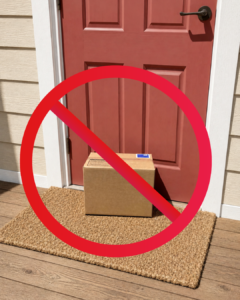
We ship via UPS and FedEx, and their trucks are not temperature controlled. On a 90-something degree day, the inside of a parked delivery truck can climb past 120°F, and a package that misses a delivery window can sit there for a full day of stops before it ever reaches a doorstep. A forecast that looks manageable at ground level can still mean real trouble inside a metal box sitting in direct sun.
And most of you are not just down the road from us. We ship across the country, not only within Washington, which means more days in a truck and more hubs along the way where a box can sit for hours before it moves again. Every extra day in transit is another day of exposure.
Next-day air is an option during the summer if you need wine sooner, and it does cut down the time spent in transit. It is also not cheap, since wine is heavy and air shipping prices it accordingly, so it is worth it mainly when timing really matters.
What heat does inside the bottle
Fun fact: wine is a liquid, and liquid expands when it heats up. Past a certain point, that expansion pushes the cork upward and lets wine seep out around it, and once the seal is compromised, oxygen gets in along with it. That is the mechanism behind the swollen or crusted corks people sometimes find on a bottle that made a hot-weather trip. Industry estimates vary, but several point to internal bottle temperatures somewhere in the 80 to 86°F range as the threshold where a wine starts to change for the worse, and beyond that, the odds of real damage climb fast.
 Heat also speeds up oxidation, which pushes the alcohol in wine to convert into acetaldehyde faster than it should, and acetaldehyde is what gives an oxidized wine that flat, bruised-apple character. Given enough time and heat, acetaldehyde converts further into acetic acid, the same acid found in vinegar. At the same time, the esters that give a wine its fresh fruit character, formed naturally during fermentation, break down faster under heat than most other compounds in the wine, which is the molecular reason a heat-damaged wine tastes duller and less fruity rather than tasting like something has gone obviously wrong. Heat can also push tannins and the pigments that give red wine its color to bind together into larger compounds, which is part of what causes a red to develop a brick or orange edge, or a white to turn gold and then brown, well before its time.
Push it far enough and the cork does not just creep up, it comes out completely, so what shows up at your door is soggy cardboard and a box of empty bottles instead of wine. Plus, if the wine gets hot enough you get actual cooking, the same browning reaction that happens to bread crust or seared meat, deliberately used to make wines like Madeira. By accident, in a delivery truck, that same caramelized, flattened character is a flaw, not a style.
It doesn’t always look damaged
The tricky part is that heat-damaged wine does not always announce itself the way you’d expect. One informal side-by-side test comparing a heat-exposed bottle to a properly stored one found that the damaged wine didn’t take on an obvious “stewed” or cooked smell at all. Instead, it just tasted flatter and lost aroma, with a noticeable bitterness creeping into the finish. It is a worse, duller version of the same wine rather than something dramatically different, which makes it easy to miss unless you know to look for it.
And unlike a wine that gets a little too cold, which can sometimes bounce back, heat damage tends to be permanent. Once the chemistry has shifted, it stays shifted.
Why we won’t ship around it
This lines up with how we already think about winemaking here. We practice minimal intervention winemaking, meaning we never add water or acid to correct a wine, because the whole point is preserving the true character of the place these grapes come from. The oxidation, lost esters, and shifting color that heat causes are exactly the kind of intervention we would never allow in the cellar, and letting a truck do it by accident would mute everything these vineyards in the foothills of the Blue Mountains are trying to say. Shipping a bottle through a truck running well over 100°F does the same kind of damage from the outside that we refuse to do from the inside, so pausing shipping in the hottest weeks is really just an extension of the same standard.
What this means for you
If you have an order waiting, it is not sitting because we forgot about it. We are watching the forecast closely, and the moment a safe shipping window opens, it goes out. If you are local or planning to be in Walla Walla, pickup is always an option in the meantime, and so is stopping by for a tasting instead of waiting on a box. Book a tasting or plan your visit →
Frequently asked questions
What temperature is too hot to ship wine? Once a bottle’s internal temperature climbs into the 80 to 86°F range, wine starts to change for the worse, and the risk of real damage increases quickly from there.
Can heat-damaged wine be saved or reversed? No. Unlike a wine that gets briefly too cold, which can sometimes bounce back, heat damage changes the wine’s chemistry permanently.
How do I know if my wine got too hot in shipping? Look for a cork that has crept up or crusted over, wine that has seeped around the cork, or a color that looks off, like a red with a brick or orange edge, or a white that has gone gold or brown too early. The wine can also just taste flatter and less fruity than expected, even with no obvious visible sign.
Is it safe to order wine online in the summer? It depends on the shipper. Reputable wineries watch the forecast and pause or reroute shipments during extreme heat, and some offer faster shipping options like next-day air for times when waiting isn’t possible. See our current releases → if you’d rather order now and have it held until it’s safe to ship.
itä wines is a small-production, low-intervention winery in Walla Walla, Washington. If you have questions about an order or want to time a pickup or tasting, reach out any time.